23 Aug 2026
French Statutory Requirements Shaping Progressive Jackpot Mechanics in Urban Leisure Venues
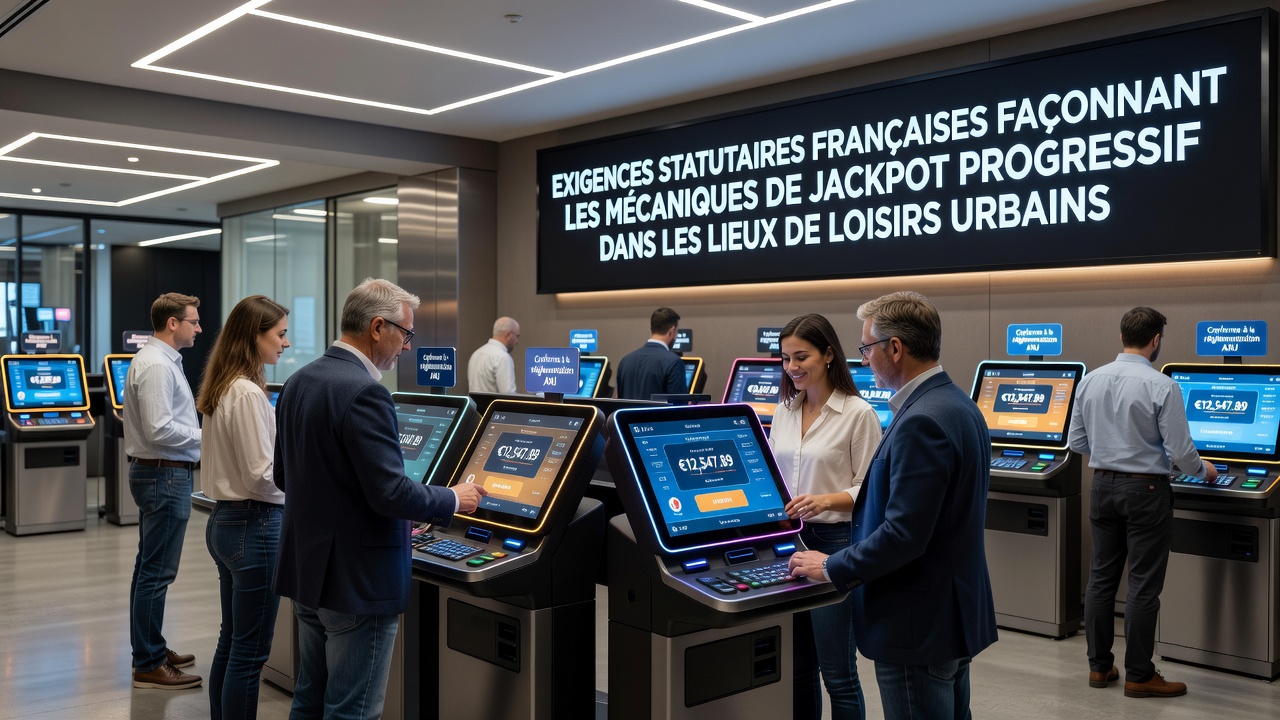
French law imposes detailed controls on progressive jackpot systems in urban leisure venues, where operators must comply with rules set by the Ministry of the Interior and the Autorité Nationale des Jeux. These statutes dictate how jackpots accumulate, display prize values, and reset after wins while requiring certification of random number generators and contribution rates from each wager. Venues ranging from gaming halls to integrated leisure complexes operate under licensing conditions that tie jackpot mechanics directly to public safety and fairness standards.
Core Regulatory Framework
Statutes require every progressive system to maintain a fixed percentage of bets allocated to the jackpot pool, with caps enforced to prevent unlimited growth that could distort payout ratios. Operators submit technical dossiers that detail seed amounts, increment rates, and linkage protocols between machines, after which authorities conduct audits before activation. Data from the French gaming oversight bodies shows that these filings must include independent laboratory verification of software integrity, a process repeated annually or upon any hardware change.
Mechanics Governed by Statute
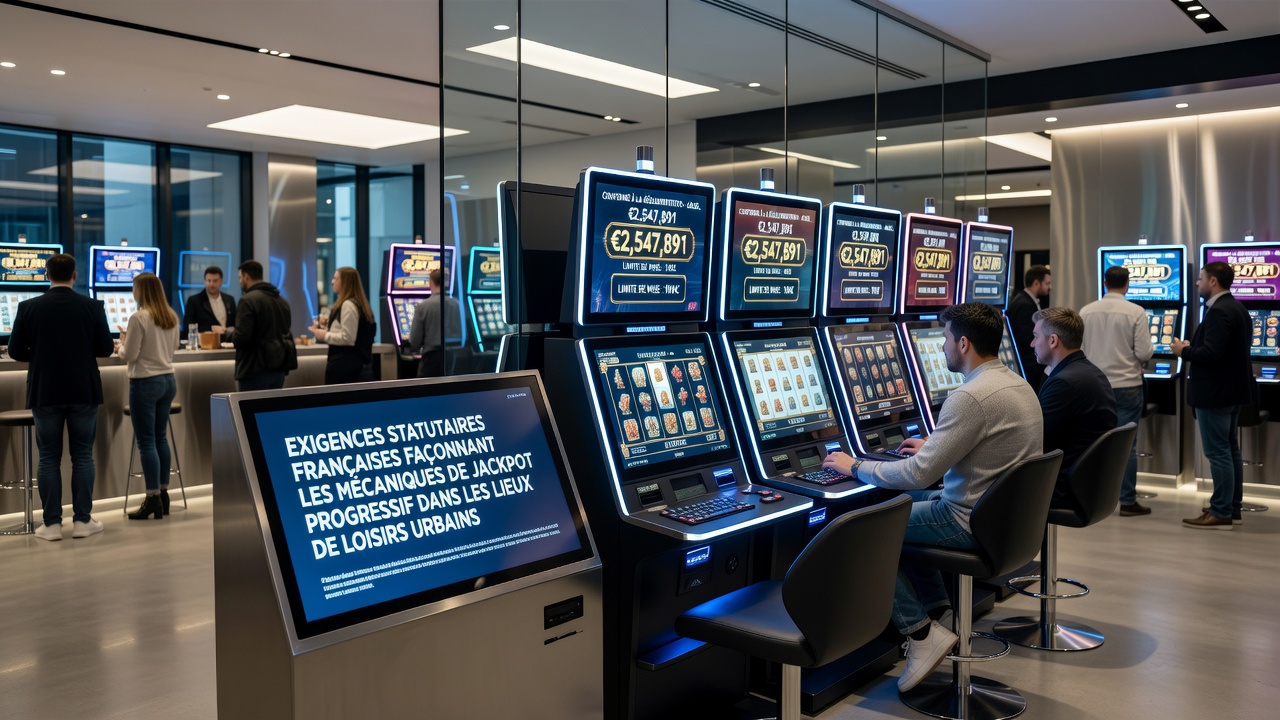
Progressive jackpots in these venues function through networked terminals that pool contributions across multiple sites when permitted by license type. Regulations stipulate that the displayed jackpot figure must reflect real-time pool totals minus any administrative fees approved in advance, and operators cannot advertise hypothetical maximums that exceed statutory limits. When a jackpot triggers, the system must lock all linked machines within seconds and record the event for immediate reporting to regulators, ensuring traceability from the moment of the win through prize distribution.
Compliance Obligations for Urban Operators
Urban leisure venues face additional zoning and operational constraints because many sit within mixed-use districts where local municipalities enforce supplementary noise and access rules that interact with national jackpot regulations. License holders must maintain segregated accounts for jackpot funds, with monthly reconciliations submitted electronically. Failure to meet these accounting standards triggers automatic suspension of progressive features until corrections pass review. Observers note that venues often integrate compliance software directly into their management platforms to track contribution percentages in real time and flag deviations before they breach thresholds.
Technical Certification and Testing
Every progressive mechanic undergoes evaluation against standards published by accredited laboratories recognized under French decree. Tests cover linkage stability across wide-area networks, resilience against power interruptions, and accuracy of the displayed meter during simultaneous play from multiple terminals. Amendments scheduled to take effect in August 2026 will introduce mandatory encryption protocols for jackpot data transmission, requiring venues to upgrade existing systems or face removal of progressive options. Industry reports indicate that preparation for these changes has already prompted several operators to pilot new hardware in select locations ahead of the deadline.
Player Protection Measures Embedded in Law
Statutes mandate clear signage at each terminal explaining how the progressive pool builds and what happens upon reset, along with prominent display of the current contribution rate. Minors are barred from areas containing progressive machines, and age-verification systems must integrate with jackpot activation controls. Research from European gaming studies highlights that these layered requirements reduce dispute rates by ensuring players receive consistent information at the point of play, while operators retain logs that demonstrate adherence during inspections.
Enforcement and Reporting Structures
Authorities conduct both scheduled and unannounced inspections focused on jackpot integrity, reviewing transaction logs, meter histories, and payout records against submitted technical specifications. When discrepancies appear, venues must halt progressive play until independent re-certification occurs. According to data published by the French Ministry of the Interior, enforcement actions in recent years have centered on improper reset procedures and inadequate fund segregation rather than outright fraud, reflecting the detailed nature of the underlying mechanical rules.
Interaction with Broader Gaming Policy
Progressive jackpot rules sit within wider legislation that governs all forms of gaming in leisure settings, including limits on total machine numbers per venue and restrictions on promotional activities tied to jackpot growth. Cross-border linkages remain prohibited unless explicitly authorized through bilateral agreements, which keeps most urban systems confined to domestic networks. This geographic limitation shapes how operators scale their offerings while staying inside statutory boundaries.
Conclusion
French statutory requirements create a tightly controlled environment for progressive jackpot mechanics in urban leisure venues by linking technical specifications, financial safeguards, and player information rules into a single compliance framework. Updates planned for August 2026 will layer additional security measures onto existing obligations, prompting venues to adapt systems well in advance. Observers tracking these developments point to steady alignment between regulatory expectations and operational practice across the sector.